The Other Room · Episode Rush Studio
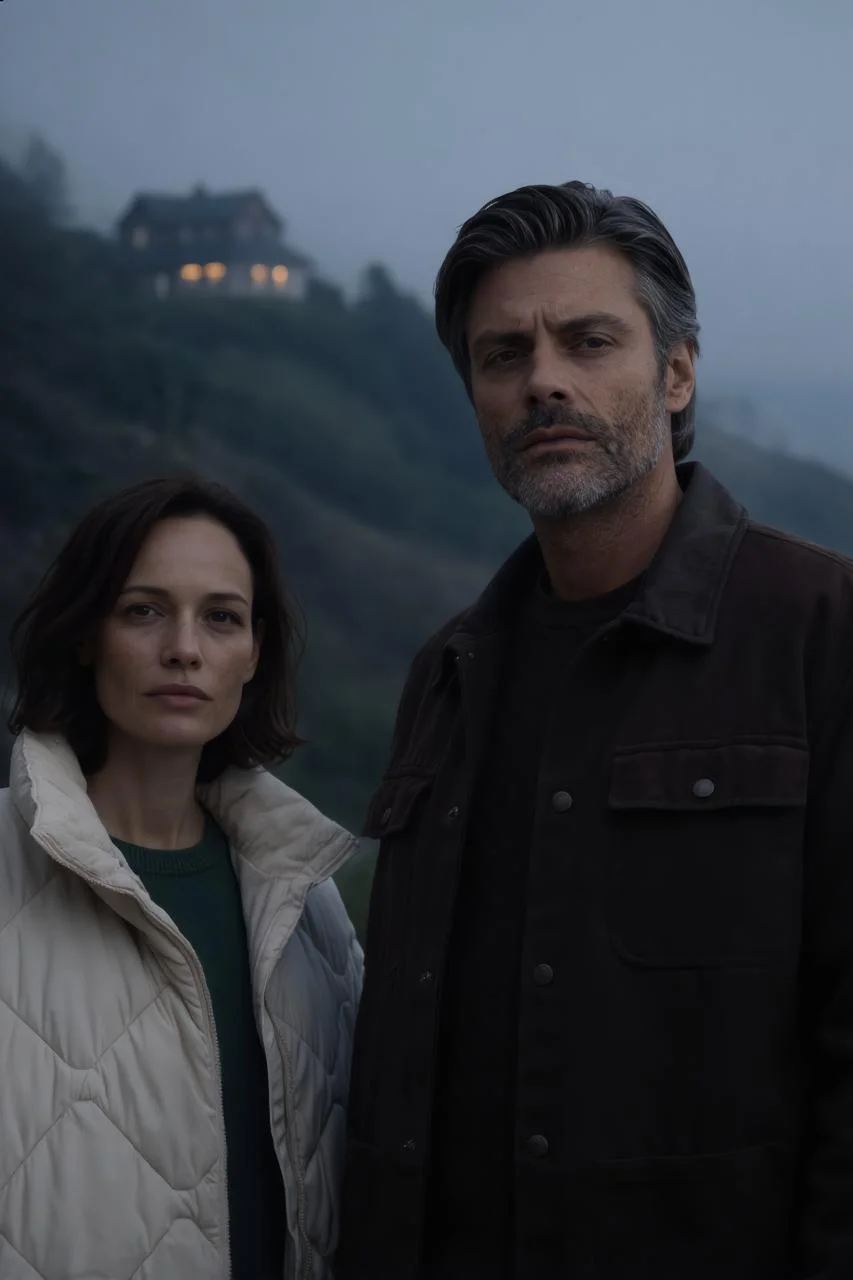
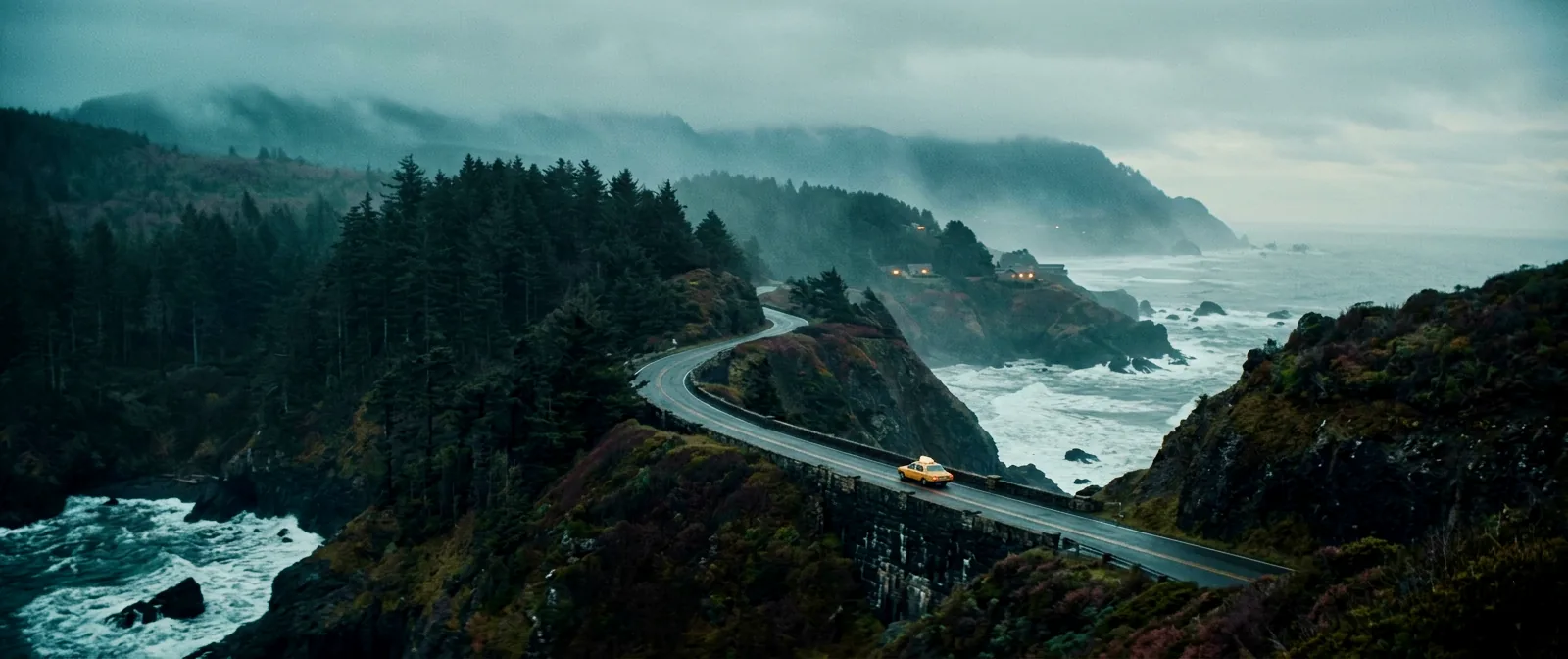
Fog, coastal cliffs, a lone road — the mystical atmosphere of the project
Ep. 01 · Pilot · 01:00:00
The Other Room
Vertical Microdrama · 7 eps.
Fade in · Opening Scene

The Other Room.

A mystical microdrama

The debut series from Episode Rush Studio. Vertical episodes of ~60 seconds. Script, characters, locations, pipeline — already in place. One piece is missing. The person who turns all of it into a story.

Scroll / Scene 01
Ch. 01 The show TC · 00:00:42
Premise

A slow-burn psychological mystery about love, obsession, and a house that remembers.

Intimate, hypnotic, quietly menacing.

Themes Memory Obsession Cyclic time Identity loss Love as surveillance The loop
— Cast
  • Alicia VaneThe newcomer. Running from heartbreak.
  • Mark IngerThe watcher. Former neuropsychologist with a past.
  • Ella IngerThe mirror. His wife, slowly unraveling.
  • LeonardThe past. Alicia's ex — knows more than he says.
  • Noah HarperThe rescue. Searching for an aunt who once lived in that attic.
— Reference points
  • Stephen King's MaineFog, coast, secrets in a small town.
  • Twin PeaksQuiet on the surface. Strange underneath.
  • SeveranceSurveillance and controlled rooms.
  • DarkCyclical time. A loop that won't let go.
  • Black MirrorTechnology as a quiet horror.
— How it's watched
  • Vertical drama9:16 native. Built full-screen for mobile.
  • ~60 sec per ep.Hook → turn → cliffhanger.
  • TikTok edit paceWith cinematic frame logic.
  • Long-arc seriesClassical structure. ~100 ep planned.
  • TikTok · Reels · Shorts7 episodes ready · pipeline running.
Ch. 02 The material TC · 00:03:18

What's
already built.

01 / Narrative

Screenplay & Story Bible

Seven opening episodes are written, with sharp hooks in place. The Story Bible is ready: character arcs, plot progression, turning points. The script is a living document — it adapts as the team works on the storyboard, deciding together how the plot should bend against what the pipeline can generate.

Ready · Ep. 01–07 · Show Bible v1 · Click any tile to read
02 / Characters

The core cast

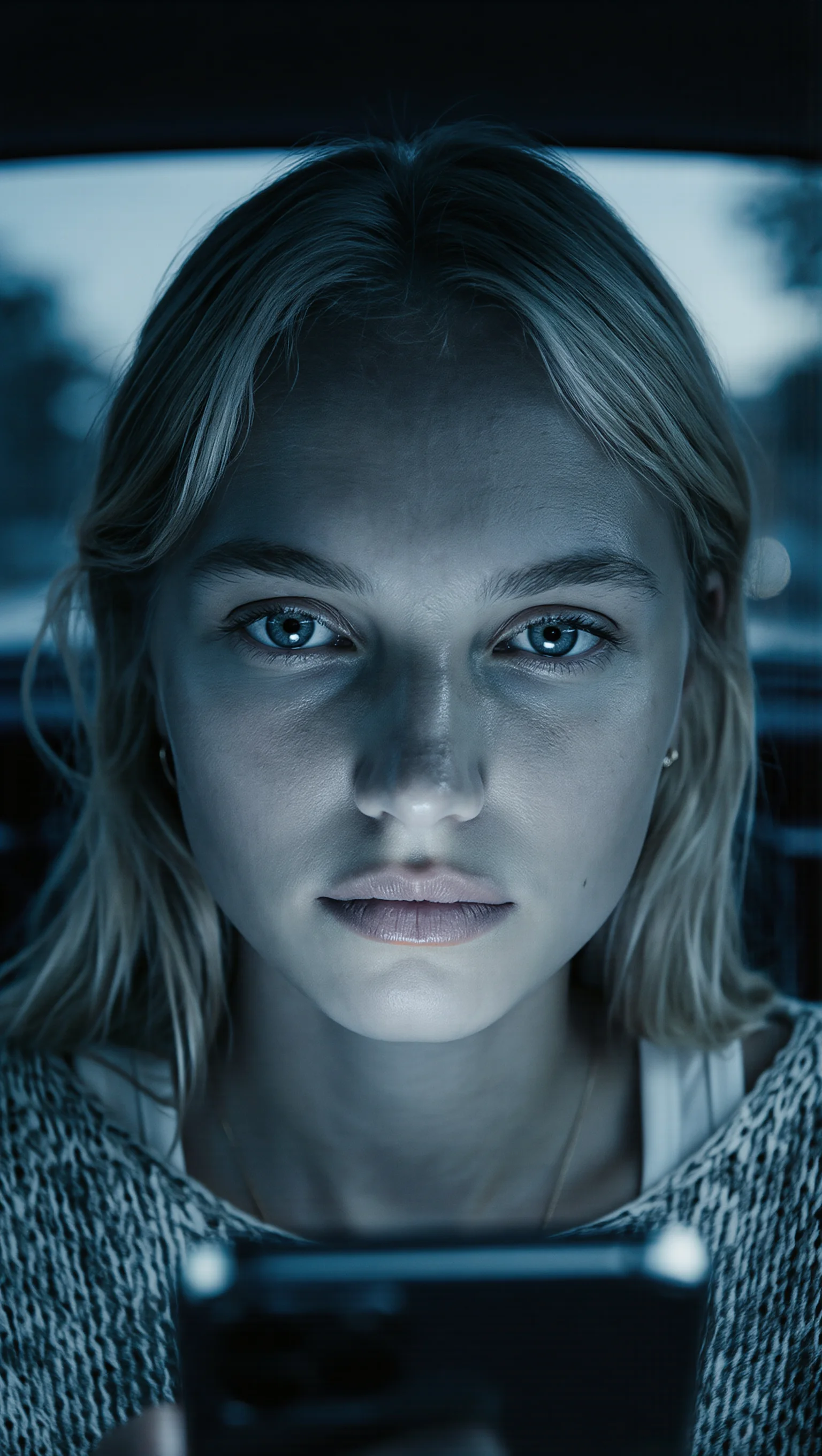
The main cast is generated and locked in through LoRA training. Each character has a curated look and wardrobe — chosen with how well they carry through AI generation in mind.

The characters stay consistent across scenes. These aren't lucky renders — they're stable identities that hold from frame to frame.

LoRA trained · Consistent across scenes
03 / World

Locations in 3D

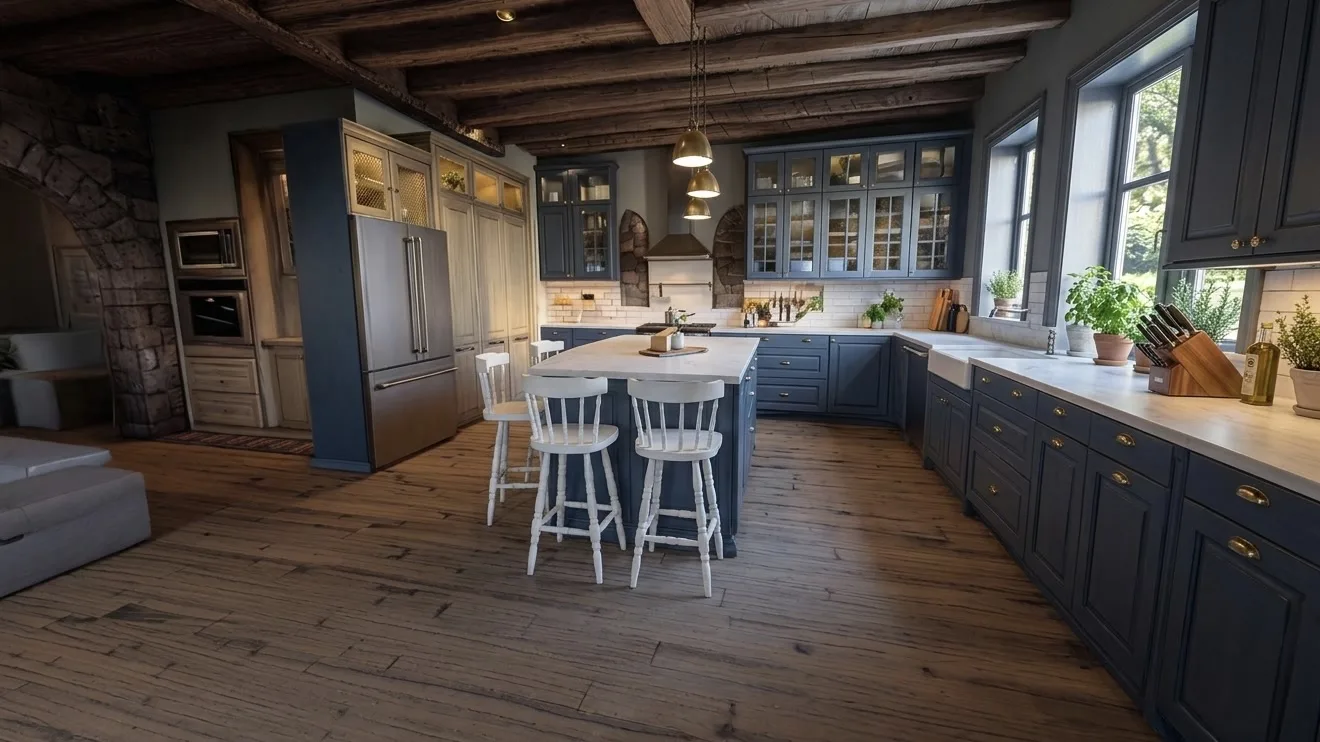
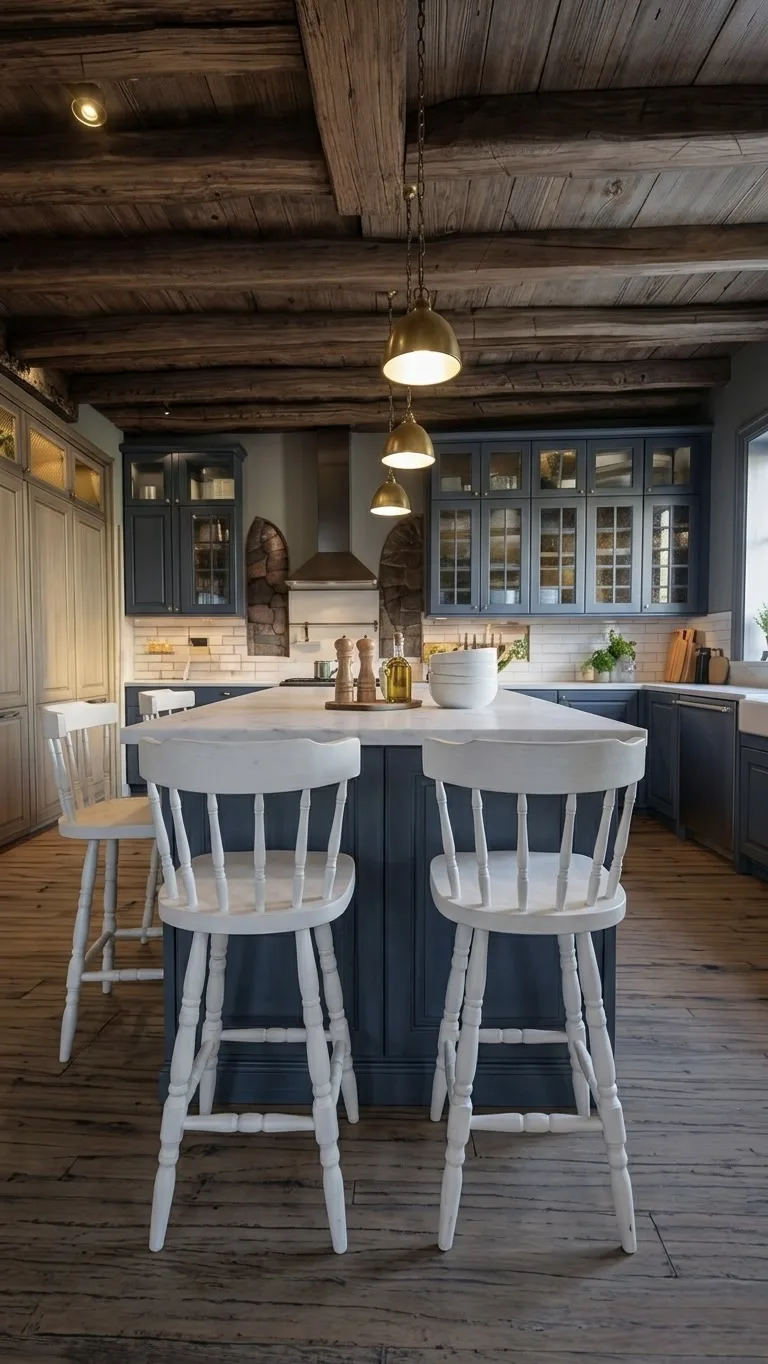
The main locations are built in 3D (Unity) and used as a stable foundation for generation.

The camera can be placed anywhere in the space — giving the director control over composition and angle, just like on a real set.

Unity · World-gen stabilised
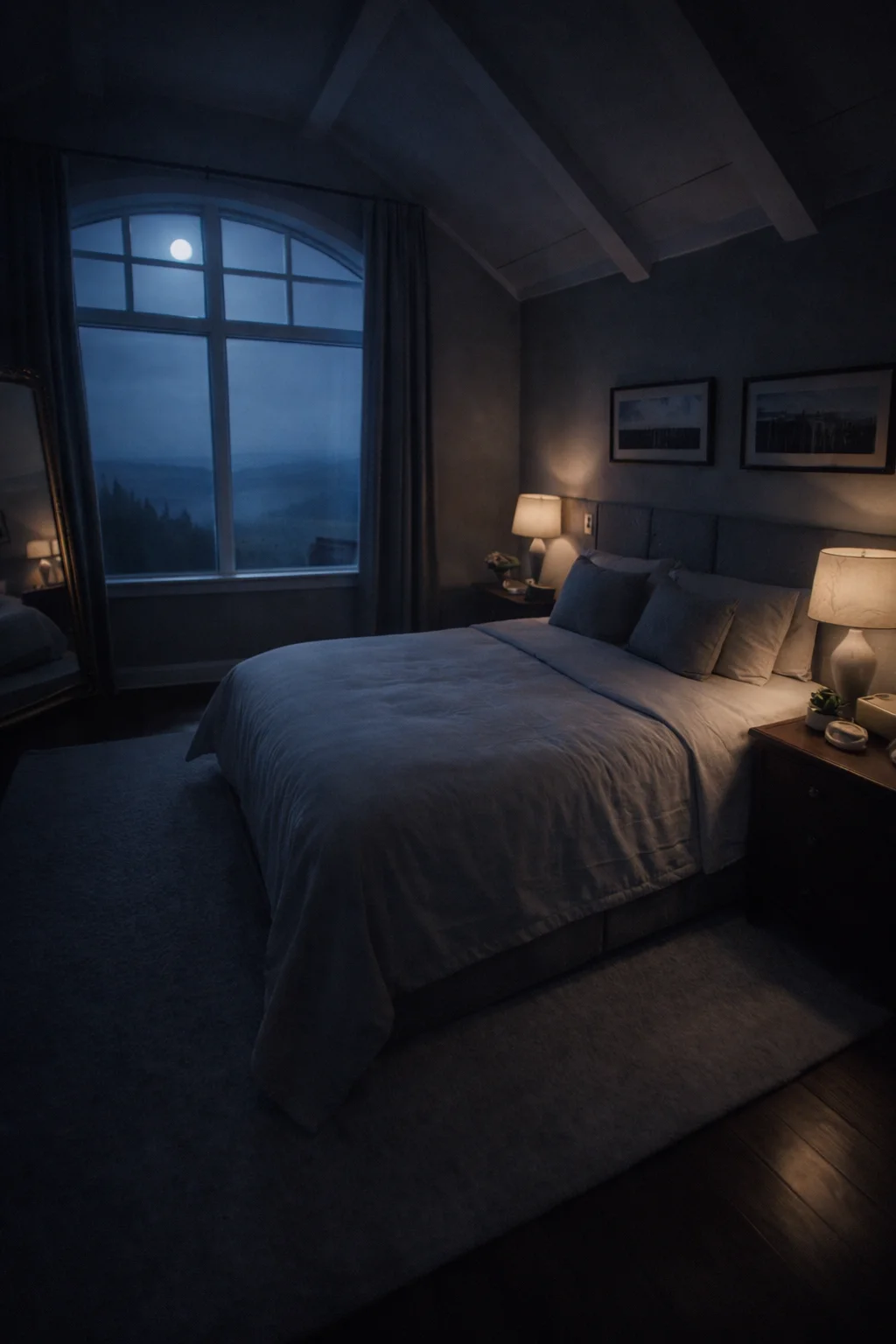
Bedroom — retouched still
04 / Integration

Character in the space

We've nailed the approach to placing generated characters into specific locations. Technical bridging frames tie the character organically into the scene.

This isn't a collage — the character actually lives in the space.

Motion control drives the shot from the 3D scene: the camera path is programmed in Unity and carried straight into AI generation, so every take keeps the same intentional camera language.

Pipeline validated · Motion control · Ready for production
05 / Production

The storyboard platform

Our own online platform for managing production. Each episode → scenes → storyboard → shots → the keyframe anchor that generation starts from.

It's a task manager, a storyboard editor, and a discussion space at once. The entire team works in one place. Final decisions are logged here — and generation tasks ship out from here.

Built in-house · Team running on it
Ch. 03 How we work TC · 00:12:04

Four tracks.
One assembly point.

Production runs on four parallel tracks that meet inside the storyboard platform. There the director, writer, and AI creator shape the storyboard together — camera positions, shot sizes, transitions. The storyboard is both a creative document and a technical brief for generation.

Track A

Narrative

  • Screenplay
  • Story Bible
  • Breakdown into episodes and scenes
  • Hook · escalation · cliffhanger
Track B

Characters

  • Look & wardrobe curation
  • LoRA model training
  • Consistency testing
  • Production-ready character
Track C

World

  • 3D locations in Unity
  • World-gen stabilisation
  • Technical bridging frames
  • Placing characters into locations
Track D

Postproduction

  • Voice dubbing & ADR
  • Ambient sound & foley
  • Original score & mood beds
  • Color & final mix
Assembly point

Storyboard → Final episode

All four tracks land inside the storyboard platform. The director sets the camera, picks the keyframe, and the generation pipeline takes the shot from there. Postproduction layers in.

  • Storyboard & camera positions
  • Keyframe selection
  • Video generation
  • Edit · sound · color · master
Pipeline map · production flow Greyhaven → master
TRACK A · NARRATIVE TRACK B · CHARACTERS TRACK C · WORLD TRACK D · POSTPRODUCTION Screenplay Bible Beat → Hook Look & Ward. LoRA Train Consistency 3D Unity World-gen Bridge Frame ADR / Dub Foley / SFX Score / Mix Storyboard Director hub Keyframes Video Gen Edit · Mix Final Episode vertical · ~60s · ready to ship
All four tracks → storyboard hub → keyframe → generation → final episode
Ch. 04 Technology stack TC · 00:18:27

A living stack.

We're not locked into a single tool. Each stage of production can run on its own neural network — picked for results, not out of habit.

We track image and video generation leaderboards, test new models as they drop, and choose the optimal chain for each specific task. The stack evolves with the industry — which means visual quality rises episode by episode.

LoRA TrainingCharacter model training
World GenerationStable 3D spaces
img2vidBringing keyframes to life
Transition FramesTechnical bridges
Video GenerationBest tool available
Storyboard PlatformBuilt in-house
3D (Unity)Camera like on set
Server OpsGPU infra for training
Ch. 05 The team TC · 00:24:15

Three people —
and the missing fourth.

A small team where each person owns their layer end-to-end. No agencies, no outsourcing, no "we'll find somebody." Everyone works online, on one platform, with a shared vision.

Ars
Screenwriter

The Writer

Writes the narrative, the character arcs, the dialogue. Shapes the dramaturgy of every episode — hooks, turns, cliffhangers. Adapts the script to what the pipeline can generate without losing the story.

Ksu
AI Creator

The AI Creator

Creates and maintains the visual world of the project. Curates looks and wardrobes, trains LoRA models, works across every generation tool. The key person for feasibility calls — knows what generates well, what's hard, and how to work around the limits.

Igor
Founder / Tech Lead

The Founder

The production's technical backbone. Wires the neural nets together, runs the GPU infrastructure for model training, owns world-gen, and picks the optimal chain between models. Built the storyboard platform the whole team works on.

Casting · Open Role

Looking for a
director-editor.

Someone who turns generated material into actual cinema —
and cuts it themselves.

— What we expect

  • Direct + edit, end to endYou own both chairs. Storyboard the shot, then sit in the timeline and cut it yourself. No handoff between director and editor — they're the same person.
  • Collaborative online workTogether with the AI creator and writer. You're part of the team, not an outside vendor.
  • Final say on the storyboardShot breakdowns, camera positions, framing, transitions. You think like a DP — composition, angle, light, even when the camera is virtual.
  • Fast-cut editingTikTok pace, but with cinematic logic. Each minute has to hold on its own and stack up into the bigger story.
  • Narrative coherenceSound design, rhythm, music cues — making sure each episode lands and the season carries through.

— What you get

  • Ready materialScripts for seven episodes, generated characters, 3D locations, a battle-tested generation pipeline.
  • A production platformThe whole process runs on our in-house tool — from storyboard to final shot.
  • A team that knows how to generateWe need someone to tell us what to generate and how to assemble it.
  • The long gameWe're not hiring for one project. Right now it's the microdrama. We're building an AI video studio, and we're looking for a director on the team with the next projects in mind.

We know how
to build a world.
We need someone
who knows how
to tell stories
inside it.

Ch. 06 · The missing piece

What's missing in the room

  • The cinematic eye. Rhythm, framing, the instinct to know when a held beat is more powerful than a cut. The grammar of moving images.
  • The edit-room mind. Sitting in the timeline and shaping a scene from the inside. Sound design, music cues, the contour of a sequence.
  • Genre fluency. Knowing how a slow-burn psychological thriller actually breathes — what tightens it, what kills it.
  • The conviction to say "recut this." The eye to look at a generated shot and decide it isn't there yet — and the taste to say what would get it there.
— Fade out —

If this sounds
like you —
reach out.

A short note, a link to your work, a few lines about yourself. That's enough to start the conversation.

— or send it from here —